Article

2026-06-05
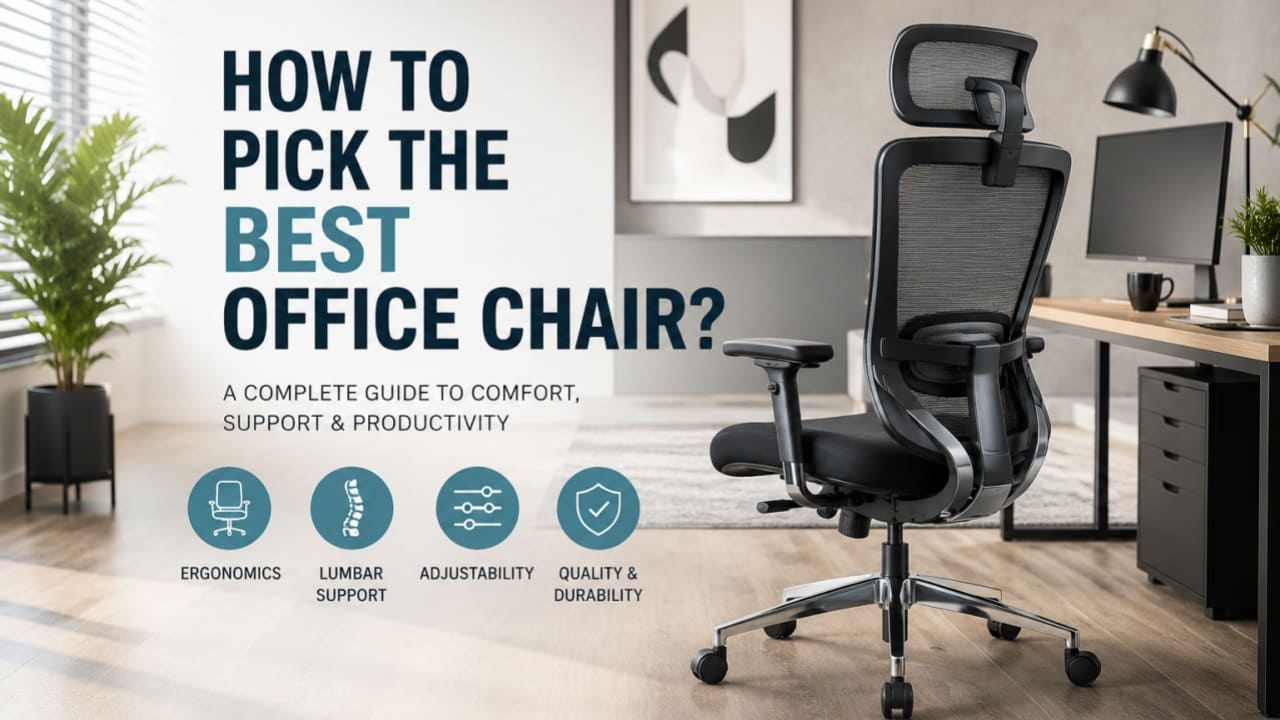
Selecting the right office chair involves far more than simply picking out a seat. Whether in a home office, a corporate headquarters, or a commercial workspace, an office chair directly impacts an employee's comfort, physical well-being, and daily productivity.
In today's world, many people spend hours sitting continuously each day. If an office chair lacks adequate support, prolonged sitting can easily lead to lower back fatigue, neck and shoulder discomfort, and even negatively affect concentration and work performance. Furthermore, different office environments present distinct requirements for seating. A chair suitable for an executive office may not be appropriate for an open-plan workspace, just as a chair designed for a conference room may not meet the demands of extended daily work sessions.
Faced with the vast array of office chairs available on the market, finding the model that truly suits your specific needs can often be a challenge. This article will analyze key factors—including ergonomic design, functional features, material selection, and intended usage scenarios—to help you choose an office chair that strikes the perfect balance between comfort, practicality, and durability.
A good office chair is not merely stylish in appearance; more importantly, it provides the body with adequate support and comfort during prolonged use. For those who spend long hours sitting at a desk every day, a suitable office chair helps maintain proper posture, reduces physical fatigue, and enhances work efficiency.
Secondly, extensive adjustability features are equally indispensable. Individuals of varying heights, body types, and work habits have distinct requirements regarding their sitting posture. A high-quality office chair typically offers features such as seat height adjustment, adjustable armrests, backrest tilting, and headrest adjustment, thereby enabling users to find their most comfortable sitting position.
A comfortable seat cushion is also a crucial factor influencing the user experience. High-density foam provides excellent support while preventing the cushion from sagging after prolonged use. For users who spend long hours working at a desk, the comfort level of the seat cushion often directly impacts their productivity and overall work performance throughout the day.
Furthermore, the chair's materials also influence the overall user experience. Breathable mesh fabric promotes air circulation, making it suitable for prolonged use; leather, conversely, conveys a more professional and premium aesthetic—a common choice for executive offices and conference rooms.
Finally, durability determines the long-term value of an office chair. A stable base structure, high-quality gas lift, high-strength legs, and components that have passed relevant quality tests ensure that the chair maintains consistent performance over years of use, while also minimizing future maintenance and replacement costs.
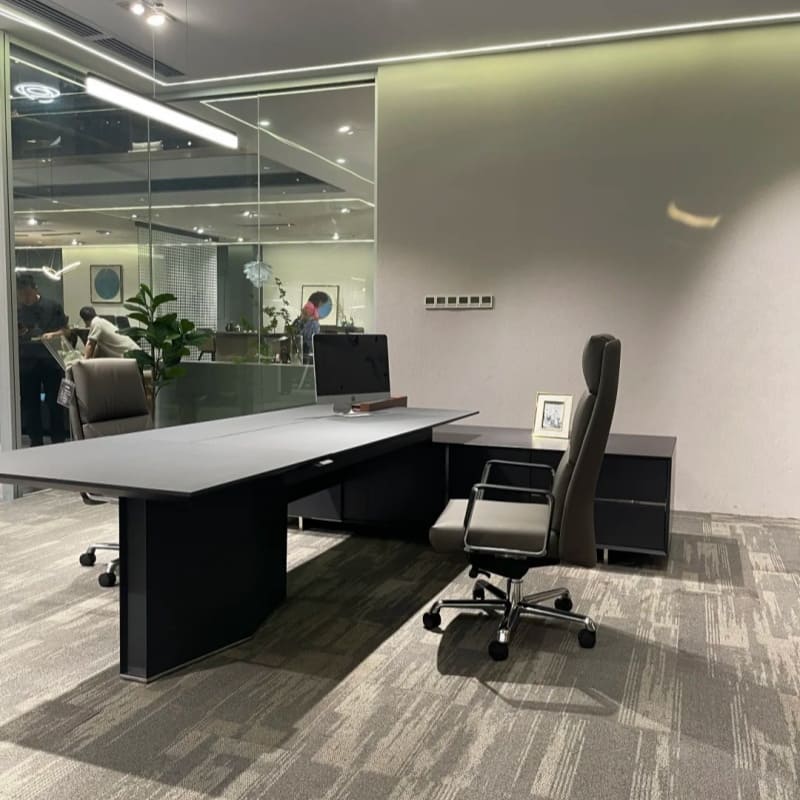
The market offers a vast array of office chairs—ranging from basic models to high-end ergonomic designs—with a dizzying variety of functions and configurations. Before purchasing an office chair, understanding the following key factors can help you find the product best suited to your specific needs.
1. Lumbar Support
Lumbar support is one of the most critical features of an ergonomic office chair. Prolonged sitting places continuous pressure on the lumbar spine; however, proper lumbar support helps maintain the spine's natural curvature, thereby reducing lower back fatigue and discomfort.
For office workers who sit for six hours or more each day, an office chair equipped with adjustable lumbar support typically offers superior comfort and support.
2. Seat Height Adjustment
Since everyone has a different height, an office chair should feature a height adjustment function to accommodate the needs of various users.
The correct seat height allows both feet to rest naturally flat on the floor, keeps the thighs parallel to the ground, and ensures the knees form an angle of approximately 90 degrees. A proper sitting posture not only enhances comfort but also helps promote blood circulation in the legs.
3. Seat Depth
Many people overlook the importance of seat depth when purchasing an office chair. Seat depth determines the extent of thigh support provided, as well as how closely the body fits against the backrest.
If the seat depth is too shallow, the thighs will not receive adequate support; conversely, if it is too deep, it may compress the legs and impede blood circulation. Ideally, a gap of approximately two to three finger-widths should remain between the back of the knees and the edge of the seat.
4. Armrests
Armrests not only support the weight of the arms but also help alleviate pressure on the shoulders and neck.
For individuals who spend extended periods working at a computer, adjustable armrests are particularly important. Armrests set at an appropriate height allow the shoulders to remain in a relaxed state, thereby reducing shoulder and neck fatigue and enhancing overall ergonomic comfort.
5. Reclining Function
Maintaining the same sitting posture for extended periods can easily lead to physical fatigue; consequently, a reclining function has become an essential feature of modern office chairs.
Office chairs equipped with tilt adjustment capabilities allow users to seamlessly transition between working and resting. Reclining appropriately not only helps relax back muscles but also alleviates spinal pressure, thereby enhancing comfort during long hours of work.
6. Chair Material
Common materials for office chairs include mesh, fabric, and leather, with different materials being suitable for different office environments.
Mesh office chairs offer excellent breathability, making them ideal for prolonged periods of work; fabric chairs are characterized by their softness and comfort; while leather office chairs convey a more professional, executive aesthetic and are frequently used in management offices, conference rooms, and high-end workspaces.
7. Weight Capacity and Durability
An office chair represents a long-term investment; therefore, durability is a factor that warrants equal attention.
High-quality office chairs typically feature robust base structures, high-strength legs, reliable gas lift cylinders, and wear-resistant materials. Products that have successfully passed relevant quality testing tend to offer a more stable user experience and a longer service life.
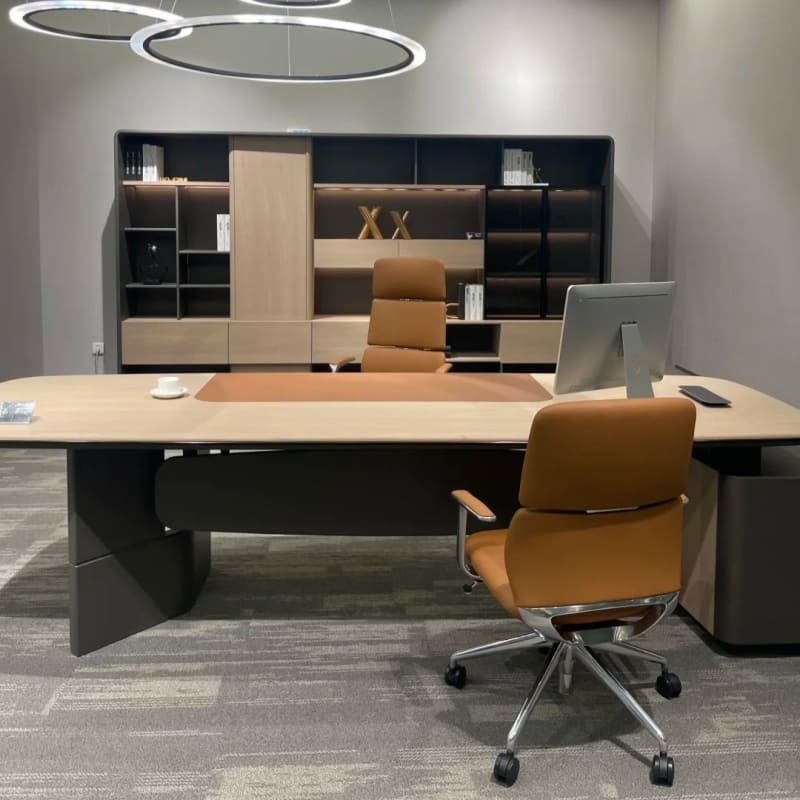
The best office chair isn't necessarily the most expensive one—it's the one that fits your work style, workspace, and daily usage needs. Different office environments require different seating solutions, so understanding the purpose of each chair type can help you make a smarter decision.
Ergonomic Mesh Chair
For employees who spend long hours at their desks, an ergonomic mesh chair is often one of the best choices.
Mesh office chairs offer excellent airflow, helping users stay cool throughout the day. Many ergonomic models also include adjustable lumbar support, headrests, armrests, and recline mechanisms to promote healthy posture and reduce fatigue during extended work sessions.
Best for: Workstations, home offices, open-plan offices, and daily computer use.
Task Chair
Task chairs are designed for flexibility and everyday office work. They are typically lighter, more compact, and easier to move than executive chairs.
While task chairs may have fewer advanced features, they provide practical comfort for routine office tasks and are often a cost-effective solution for businesses furnishing multiple workstations.
Best for: Open offices, employee workstations, collaborative workspaces, and small offices.
Conference Chair
Conference chairs are specifically designed for meeting rooms and collaborative spaces.
These chairs prioritize comfort during meetings while maintaining a clean and professional appearance. Compared to ergonomic office chairs, conference chairs usually feature a simpler design and are optimized for shorter sitting periods.
Best for: Conference rooms, boardrooms, training rooms, and meeting spaces.
Visitor Chair
Visitor chairs are commonly placed in reception areas, waiting rooms, and guest seating zones.
Although they are generally simpler in design, a well-designed visitor chair can improve the overall experience of guests, clients, and business partners while reinforcing a professional company image.
Best for: Reception areas, waiting rooms, guest seating, and customer-facing spaces.
Choosing the Right Chair for Your Workspace
When selecting an office chair, consider who will be using it, how long it will be used each day, and the type of workspace where it will be placed.
● Choose an Executive Office Chair for leadership and management offices.
● Choose an Ergonomic Mesh Chair for long hours of desk work.
● Choose a Task Chair for everyday employee workstations.
● Choose a Conference Chair for meeting and collaboration spaces.
● Choose a Visitor Chair for reception and waiting areas.
● Common Mistakes When Choosing an Office Chair
When shopping for an office chair, many people tend to focus more on price or aesthetics while overlooking the key factors that truly impact comfort and the overall user experience. The following are some of the most common mistakes; understanding these pitfalls can help you avoid unnecessary expenses and select an office chair that is truly best suited to your needs.
Choosing Based on Appearance Alone
An office chair with an attractive appearance is not necessarily suitable for prolonged use. When making a purchase, many consumers are easily captivated by stylish designs, color schemes, or premium materials, yet they often overlook ergonomic design and actual comfort.
Office chairs are used frequently on a daily basis; therefore, beyond mere aesthetics, one should prioritize lumbar support, adjustability, and the overall sitting experience. A truly excellent office chair strikes a balance between design and functionality, rather than simply looking good.
Ignoring Adjustability
Individuals of varying heights, body types, and working habits have distinct requirements for office chairs. If an office chair lacks essential adjustment capabilities—no matter how high-quality its materials may be—it will struggle to adequately meet the demands of long-term use.
When purchasing an office chair, it is advisable to prioritize features such as seat height adjustment, backrest tilt, armrest adjustment, and lumbar support adjustment. Appropriate adjustability enables users to maintain a healthier sitting posture and enhances overall comfort.
Buying the Cheapest Option
Price is invariably a critical factor in purchasing decisions; however, a singular focus on low cost often results in higher long-term expenses.
Inexpensive office chairs typically compromise on materials, structural integrity, and durability, making them prone to issues such as cushion collapse, gas lift failure, or loose legs after prolonged use. Compared to the need for frequent replacements, opting for an office chair of reliable quality and sturdy construction generally offers superior long-term value.
Not Considering Daily Usage Time
Many people fail to give adequate consideration to their actual usage duration when purchasing an office chair.
If the chair is used for only one or two hours a day, a basic model may suffice; however, for users who work continuously for six to eight hours—or even longer—ergonomic design, breathable materials, and multi-functional adjustment features become particularly crucial.
The choice of an office chair should align with the specific usage scenario. The longer the duration of use, the higher the demands placed on comfort, support, and durability.
Focusing Only on Price Instead of Value
An office chair is not merely a piece of furniture; it is a long-term investment. Many people are accustomed to comparing prices but overlook the long-term value that a product can deliver.
A high-quality ergonomic office chair can help improve posture, reduce physical fatigue, boost work efficiency, and offer a longer service life. In the long run, the value it provides often far exceeds its initial purchase cost.
Choosing the Wrong Chair for the Workspace
Different office spaces require different types of office chairs. For instance, an Executive Office Chair is best suited for management offices, whereas a Task Chair is more appropriate for open-plan workspaces; Conference Chairs are designed for meeting rooms, while Visitor Chairs are primarily intended for reception areas.
Prior to procurement, one should select the appropriate chair type based on the actual office environment and specific usage requirements, rather than attempting to use a single type of office chair to serve every scenario.
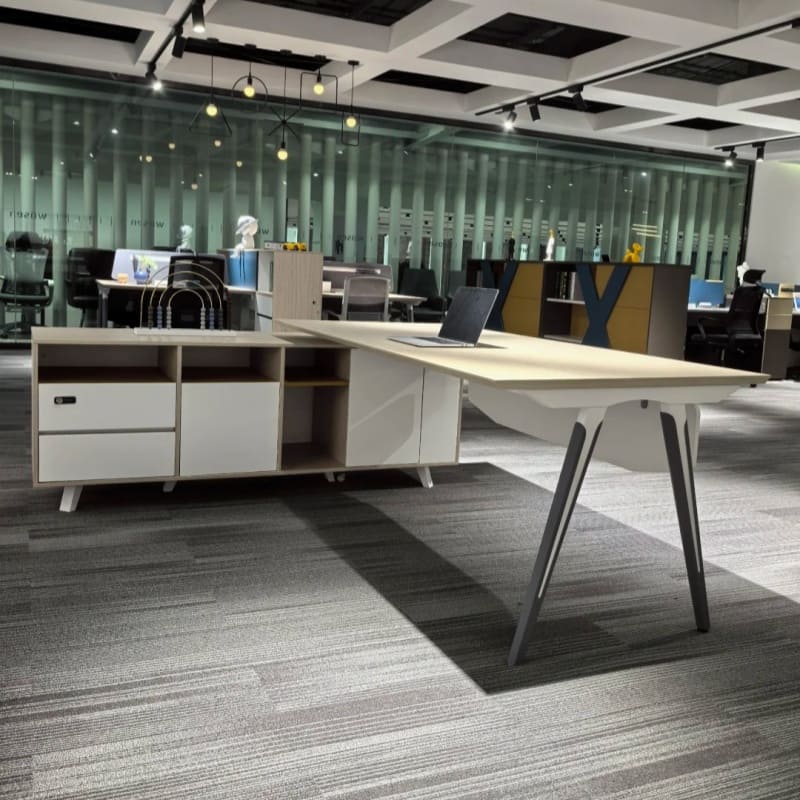
Office chairs vary significantly in price, ranging from a few tens of dollars to well over a thousand. So, exactly how much should you spend on an office chair?
In reality, there is no single standard answer that applies to everyone. The appropriate budget depends on factors such as usage frequency, your work environment, and your specific requirements for comfort. Understanding the characteristics of different price ranges can help you make a more informed decision.
Under $100
Office chairs priced under $100 are typically entry-level products, suitable for temporary office use, home study, or short-duration sitting.
These chairs generally feature basic height adjustment capabilities, but are relatively limited in terms of ergonomic design, material quality, and durability. If daily usage is brief and the budget is limited, such products can adequately meet basic requirements.
Suitable for:
● Students
● Temporary office users
● Budget-conscious home users
$100–$300
The $100 to $300 range is currently one of the most popular price brackets for office chairs on the market.
Within this budget, users can typically expect enhanced comfort and features—such as lumbar support, reclining capabilities, breathable mesh fabric, and basic ergonomic design. For most corporate employees and home office users, this price range generally offers excellent value for money.
Suitable for:
General Office Users
Home Offices
Small and Medium-sized Business Procurement
$300–$600
Office chairs in the $300 to $600 range typically offer more sophisticated ergonomic designs and higher-quality materials.
These products often feature adjustable headrests, 4D armrests, multi-position tilt locking mechanisms, and more precise lumbar support systems. For individuals who work continuously for several hours each day, these office chairs can significantly enhance both comfort and the overall user experience.
Ideal For:
Individuals who work long hours
Professional office environments
Users with high standards for comfort
Premium Chairs
High-end office chairs typically carry a price tag exceeding $600, with some flagship models even surpassing the $1,000.
In addition to utilizing superior materials and craftsmanship, these products typically feature more sophisticated ergonomic systems, a longer service life, and more comprehensive after-sales support. For corporate executives, premium office environments, and users seeking the ultimate in seating comfort, a high-end office chair often represents a worthwhile long-term investment.
Suitable For:
● Corporate Executives
● High-End Offices
● Users Who Work for Extended Periods
● Individuals with Specialized Ergonomic Requirements
Focus on Value, Not Just Price
When purchasing an office chair, you should not focus solely on the price itself, but rather on the actual value the product delivers.
If you spend six to eight hours—or even longer—sitting each day, an office chair featuring sound ergonomic design, reliable support, and high-quality materials will often provide a more comfortable work experience while reducing future replacement and maintenance costs.
For most users, choosing an office chair that meets their specific needs, offers reliable quality, and is built for long-term use is typically a far more worthwhile investment than simply chasing the lowest possible price.
Why Businesses Invest in Quality Office Chairs
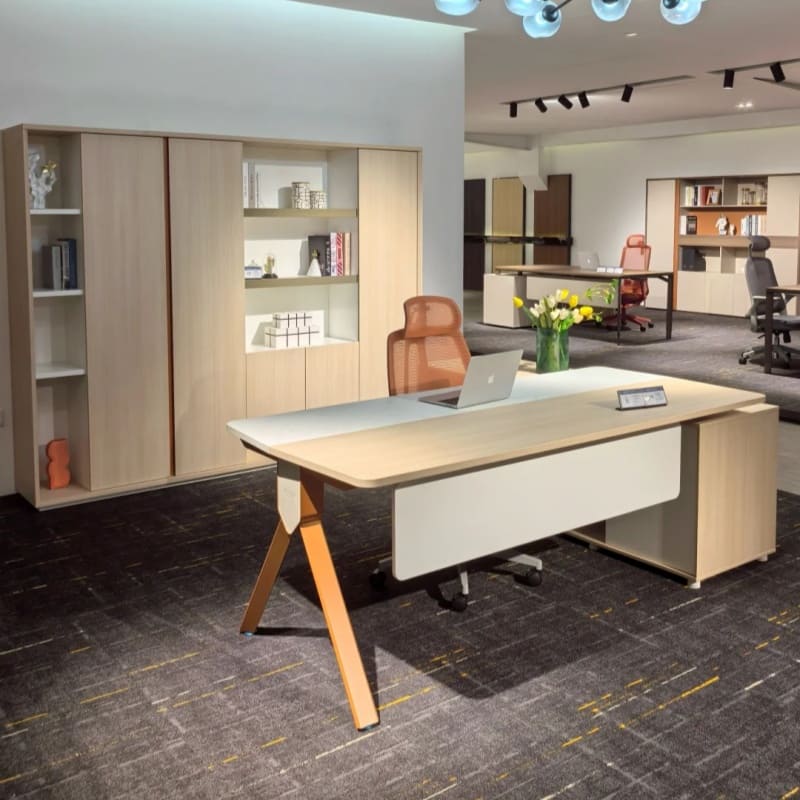
An office chair is not merely a piece of office furniture; it is a critical component that influences employee experience, work efficiency, and corporate image. An increasing number of companies are beginning to view high-quality office chairs as a long-term investment, rather than simply an office procurement expense.
Employee Comfort
Employees spend the majority of their workday seated in their office chairs. A comfortable and well-supported office chair helps employees maintain proper posture, reduces physical strain, and enhances their overall work experience.
When employees enjoy a more comfortable work environment, they tend to maintain better focus and productivity, thereby improving their daily work performance.
Improved Productivity
If employees spend extended periods using office chairs that lack proper support, they are prone to issues such as lower back pain, shoulder and neck fatigue, and diminished concentration. Conversely, providing ergonomically designed office chairs helps employees maintain a more natural sitting posture and minimizes physical discomfort, thereby enabling them to focus more fully on their work tasks.
For businesses, enhancing employee comfort often translates into higher productivity and improved team performance.
Reduced Fatigue and Workplace Discomfort
High-quality office chairs typically feature ergonomic configurations—such as lumbar support, adjustable headrests, reclining capabilities, and adjustable armrests—that effectively alleviate the physical fatigue associated with working for extended periods.
By enhancing the daily work experience of their employees, organizations enable their staff to complete their tasks with greater ease while mitigating the negative impacts resulting from uncomfortable sitting postures.
Creating a Professional Office Image
An office space serves not only the employees but also constitutes a vital component of a company's corporate image.
Whether in executive offices, conference rooms, or reception areas, high-quality office chairs can significantly enhance the overall sense of professionalism and modernity within the space. When clients, partners, or visitors enter the office environment, a tidy and professional workspace often leaves a more positive first impression.
Long-Term Value and Cost Efficiency
When purchasing office furniture, many companies tend to focus on the initial price while overlooking long-term usage costs.
High-quality office chairs typically feature more reliable structural designs, more durable materials, and stricter quality standards, resulting in a longer service life. Although the upfront investment may be higher, in the long run, this approach helps minimize the additional costs associated with repairs, replacements, and repetitive purchasing.
Investing in People and Workplace Performance
Selecting high-quality office chairs is not merely a matter of procuring products; it is an investment in employee health, productivity, and the future growth of the enterprise. For companies seeking to cultivate a comfortable, efficient, and professional work environment, high-quality office chairs remain a critical component that always merits top priority.
Making the Right Office Chair Choice
Selecting a suitable office chair is not merely a matter of daily comfort; it also impacts work efficiency, physical health, and the long-term user experience. Whether for individual use or corporate procurement, one should comprehensively consider ergonomic design, adjustability, materials, durability, and actual usage scenarios when purchasing an office chair—rather than focusing solely on price or aesthetics.
Making the Right Office Chair Choice
If you spend long hours sitting at a computer every day, comfortable lumbar support, breathable materials, and flexible adjustment options are often more important than appearance. If you’re purchasing office furniture for a business, you’ll need to consider employee comfort, durability, and how the furniture fits into the overall office environment.
There is a wide variety of office chairs on the market, ranging from Executive Office Chairs to Ergonomic Mesh Chairs, Task Chairs, and Conference Chairs—each suited for specific scenarios. Understanding your needs is more important than blindly chasing popular products.
Before making your final decision, take a moment to consider a few simple questions: How long will you be sitting each day? Who will be using the chair? What matters most to you—comfort, functionality, or budget?
Once you have the answers to these questions, finding the right office chair isn’t as complicated as you might think. A well-designed, comfortable office chair not only makes work easier but also ensures a better work experience for years to come.
Executive office chairs are designed for managers, business owners, and leadership teams who want a combination of comfort, support, and professional appearance.
These chairs typically feature high backs, thick cushioning, premium upholstery, and reclining functions. In addition to providing long-term comfort, executive chairs help create a more professional and authoritative office environment.
Best for: Executive offices, private offices, directors, and managers.
These chairs typically feature high backs, thick cushioning, premium upholstery, and reclining functions. In addition to providing long-term comfort, executive chairs help create a more professional and authoritative office environment.
Best for: Executive offices, private offices, directors, and managers.